May your art be bold and your air quality boring
I am fairly certain I am destined to die of lung disease.
Nope—never a smoker or a mill worker. Just an artist suffering for my work.
Having an in-home clay studio comes with challenges I never expected. Mold was my first concern, quickly followed by dust… and now, apparently, radon gas. Because why stop at visible hazards when you can add an invisible, radioactive one?
Several dehumidifiers kept the mold at bay and I happily got to work. Then I learned about the dark secrets of silica—you know, that thing clay is mostly made of and that your lungs would very much prefer you not inhale. Flooring became my next existential crisis (a story for another day), and I landed on seamless sheet vinyl to prevent dust from hiding like it pays rent.
Then Hurricane Helene arrived.
My husband and I battled water pouring into my basement studio. At one point I remember thinking, Well, at least any leftover silica dust is getting a good wash. When the rain finally stopped, I pulled up the vinyl, dried everything out, and—success! No mold. Two terrifying health risks down.
Reader, this is when radon entered the chat.
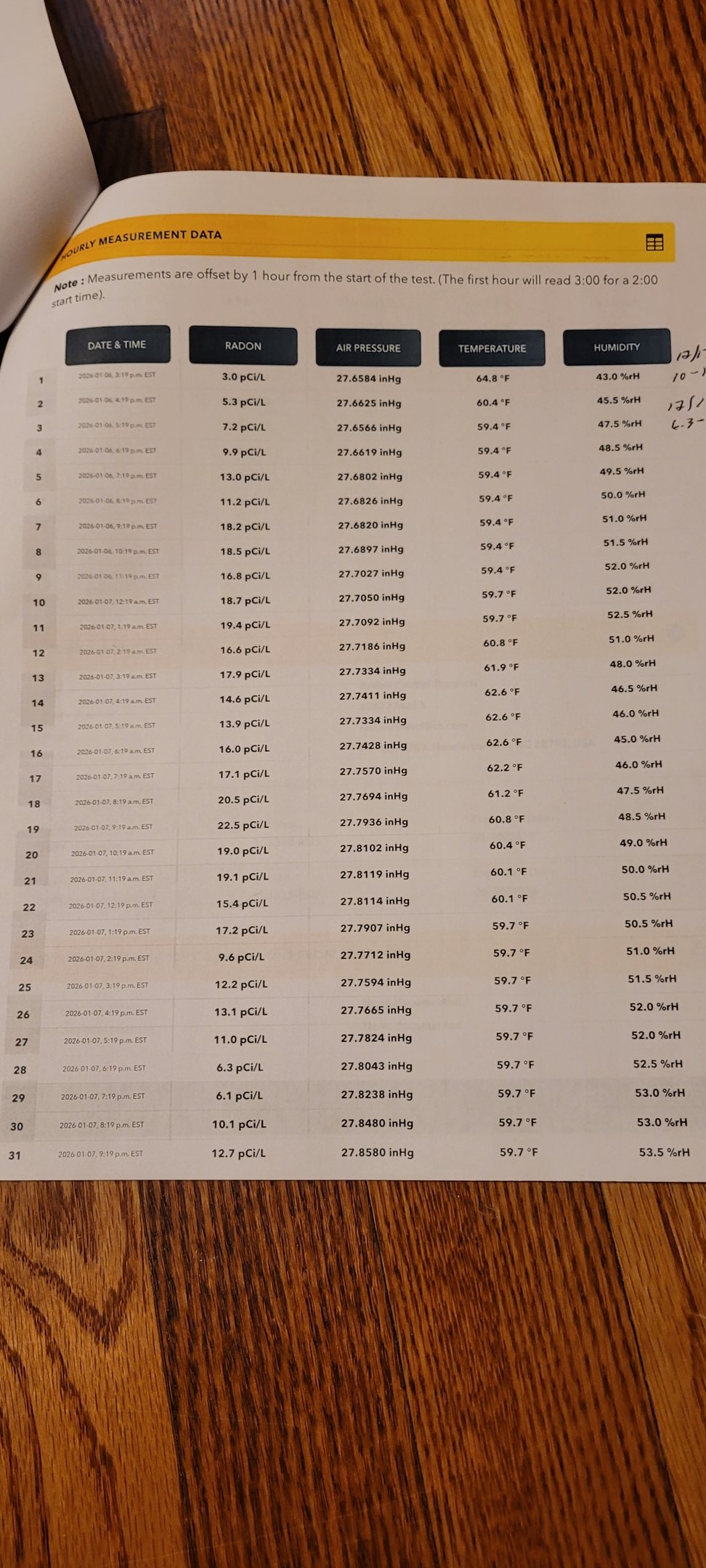
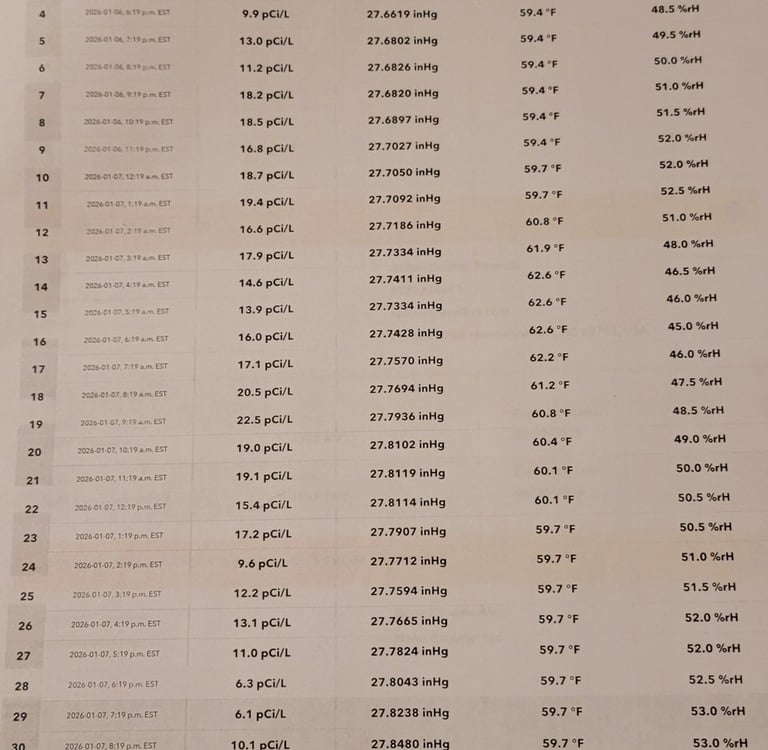
When we bought this house 13 years ago, it already had a radon mitigation system. The soft, constant hum of the attic fan sucking out toxic air was oddly comforting… until I learned radon fans don’t last forever. “Every so many years,” depending on who you ask. So I paid $150 for a test and voilà—it hit a high of 22.5.
For reference, anything under 4 is considered safe.
As the radon professional handed me the report, I could physically feel my lungs collapsing. I strive for elevated art, not elevated radon. ☢️
Test complete. Mitigation in progress. Sarcasm fully operational.
Suddenly, I understood why so many famous artists only achieved success after death.
-Henri de Toulouse-Lautrec had a congenital bone disorder.
-Frida Kahlo endured chronic pain and countless surgeries.
-And Vincent van Gogh… well, we all know about the ear.
The radon repair cost $800. That doesn’t sound like much until you remember the average price of art and realize that’s well over a month’s income for an artist bravely suffering for their craft.
But this story isn’t all doom and gloom. Unlike those legendary artists, we have the internet—full of solutions, knowledge, and (blessedly) grants. I was incredibly fortunate to receive a CERF+ Get Ready Grant, which made fixing this problem possible.
I also bought a plug-in radon monitor so I can keep an eye on my air quality at all times—because nothing says “peace of mind” like real-time radioactive gas updates.
The studio lives on.
The lungs remain intact.
The art continues—now significantly less toxic.
Check your studios, my fellow artists—may your art be bold and your air quality boring. Keep up the good work!